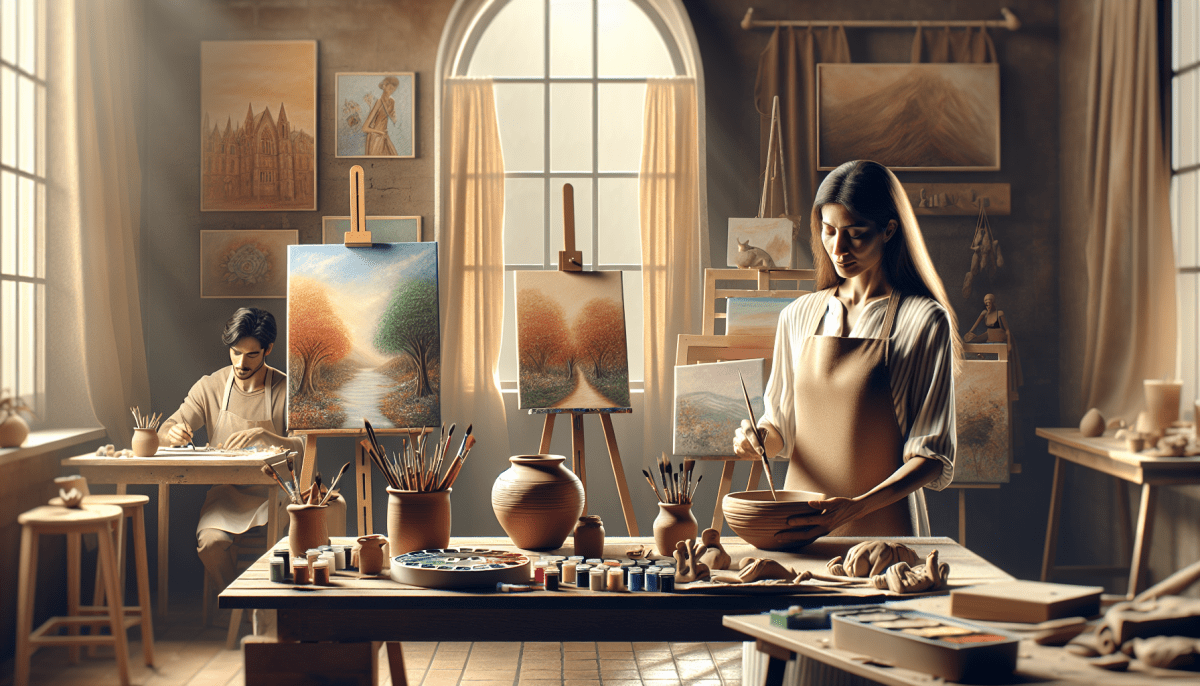
Art therapy is all about using creativity as a way to express feelings, reduce stress, and promote healing. It’s such a powerful tool because it allows you to tap into emotions that might be hard to express with words. When you pick up a paintbrush or grab some clay, you’re opening up a whole new avenue for understanding yourself.
People often think that you need to be an artist to benefit from art therapy, but that's not the case at all! You don’t need any fancy skills or training. The beauty of art therapy lies in the process, not the outcome. Whether it’s doodling, painting, or even just coloring in a book, the main goal is to let your feelings flow onto the page.
Many find that creating art helps them work through tough emotions. It can act as a safe space to release anger, sadness, or anxiety. Plus, the act of making something with your hands can be a big mood booster. It's like a natural high that helps lift your spirits and clear your mind.
So if you’re feeling overwhelmed or just need a break from the daily grind, consider diving into some art therapy. Grab some supplies, set up a cozy spot, and unplug for a while. You might be surprised at what you discover about yourself along the way. Just remember, the focus is on enjoying the process and letting your creativity shine!
Understanding Emotional Release Through Creativity
Art therapy isn't just about making pretty pictures. It's a powerful tool for emotional release. When you pick up a brush or color outside the lines, you're tapping into feelings that might be hard to put into words. This creative outlet allows you to express what’s on your mind in a safe and productive way.
Think about it: when you're drawing or painting, you often forget all your worries. That simplicity can be incredibly freeing. Each stroke of the brush or pencil can help release built-up tension. You don't need to be a great artist; it’s all about letting your emotions flow. Just grab some supplies, set the mood, and let whatever is inside you come out.
Many people find that creating art helps them process tough times. Maybe you felt sad, anxious, or angry. Instead of holding onto those feelings, you transfer them to the canvas. It’s like giving your emotions a physical form. Once you can see them, they don’t feel as heavy anymore.
And the best part? You don’t have to share your artwork with anyone unless you want to. This is your personal journey. Just let loose, be messy, and embrace the chaos. It's all about what helps you heal, and art can be a fantastic guide on that path.
Benefits of Expressive Art in Healing
Expressive art can work wonders when it comes to healing. It gives you a safe space to explore your feelings and share your story without needing to say a word. Whether you’re painting, drawing, or dabbling in sculpture, the act of creating helps release pent-up emotions and can be incredibly liberating.
One huge benefit of art in healing is how it encourages self-discovery. As you dive into your creative side, you might start to notice things about yourself that you didn’t realize before. It can shine a light on thoughts and feelings, leading to moments of clarity and understanding. Plus, you get to express these insights visually, which can feel much easier than putting them into words.
Artmaking also serves as a powerful stress reliever. When you immerse yourself in a project, you can forget about daily worries and just focus on what you’re creating. It’s like a mini-vacation for your mind. That therapeutic break can lower anxiety and promote relaxation.
Lastly, art fosters a sense of community. Joining art classes or groups lets you meet others who share similar experiences. This connection can make a huge difference, helping you feel less alone in your journey. Sharing your work with others not only builds confidence but can also spark conversations that lead to healing.
Tools to Get Started with Art Therapy
Art therapy can be a wonderful outlet for expressing yourself and finding healing. It's all about using creativity to process emotions and experiences. Whether you're just dipping your toes into art therapy or diving in headfirst, having the right tools makes a world of difference.
First up, a good sketchbook is essential. Look for one with thick pages that can handle various mediums like pencils, paints, or markers. You don’t want paper that tears easily when you get in the zone. Having a few different sizes can help too, depending on what you want to create.
Next, consider a solid set of colored pencils or markers. Go for a brand that offers vibrant colors and smooth application. You might also want to grab some watercolor paints. They’re super versatile and let you blend colors beautifully. If you prefer something easy to work with, watercolor pencils can also be a fantastic option.
Don’t forget about brushes and sponges! Different shapes help create a range of textures in your art. Experimenting with sponges can add dimension and depth to your pieces. And if you're working with paint, a palette for mixing colors is a must — it’ll help you discover exciting new shades.
Lastly, grab a handful of magazines or old newspapers for collage work. Cutting out pictures, words, or colors can be a therapeutic way to express feelings without having to draw or paint. Just let your creativity flow and see where it takes you!


